Leave the Song Unfinished: The Artists Letting Fans Help Write the Ending
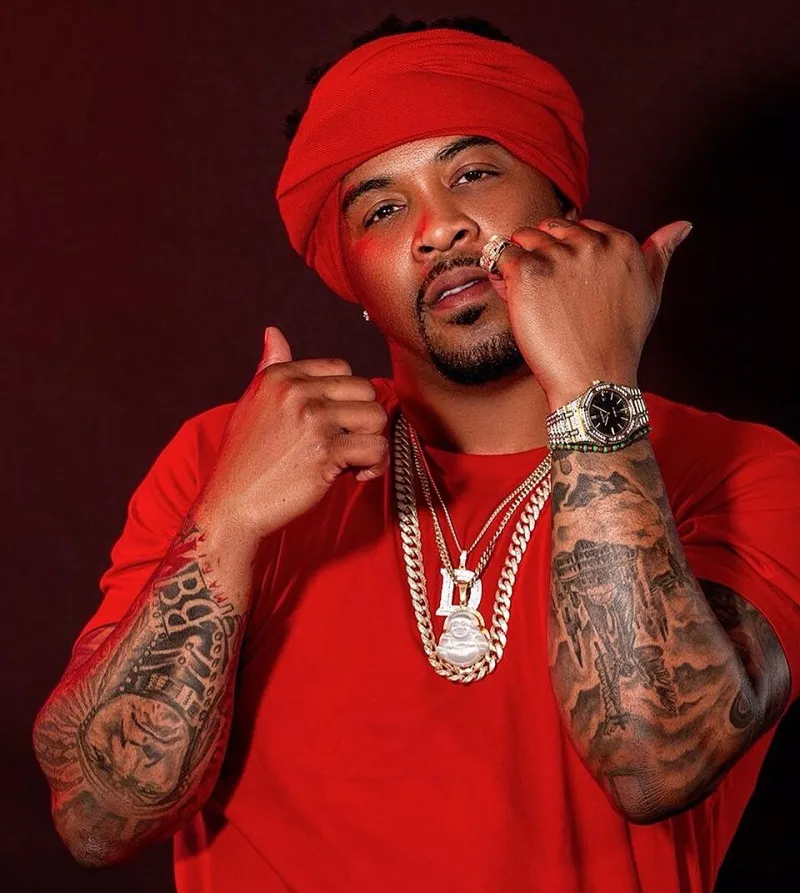
Photo: Irv Da God, CC BY-SA 4.0, via Wikimedia Commons
Imagine buying an album where you're not just a listener — you're also, technically, a co-author. Where the version of the song you hear exists because thousands of people made choices about it. Where the artist handed over the stems, the sketches, the half-built thing, and said: here, finish this with me.
That's not a hypothetical anymore. It's a movement.
Across the US and beyond, a new generation of artists is experimenting with what it means to release work — not as a finished product delivered to a passive audience, but as an open invitation. They're dropping isolated vocal tracks, posting unresolved visual art, sharing voice memos of songs that don't have bridges yet, and watching their communities run with it in directions they never could have predicted.
The results are sometimes chaotic, occasionally messy, and often extraordinary.
The Stems Drop That Changed the Conversation
For a lot of people in independent music circles, the shift became visible when artists started releasing stems — the individual audio components of a track — directly to their fan communities. What started as a niche producer culture thing slowly crept into the mainstream.
When Imogen Heap released stems from her album Sparks through her Mycelia project, she wasn't just giving fans a behind-the-scenes look. She was genuinely inviting them into the architecture of the music. The response was overwhelming — thousands of remixes, reimaginings, and entirely new compositions built on her raw materials.
More recently, smaller independent artists have been doing versions of this on platforms like Splice, Bandcamp, and even Discord. One Chicago-based producer, who goes by the name Solstice Drift, released a half-finished EP to her Patreon subscribers and asked them to contribute additional layers. The final version included contributions from fans in seven different states. "I couldn't have made that alone," she said in a follow-up post. "And honestly, it sounds like nothing I would have made alone. That's the whole point."
Visual Artists Are Doing It Too
This isn't just a music phenomenon. Visual artists are getting in on it in ways that are equally compelling — and sometimes more visually dramatic.
Several digital artists have started releasing layered PSD files or Procreate canvases to their communities, essentially handing over their creative infrastructure and letting fans add, alter, or respond to the work. The resulting collaborations get shared back, sometimes as entirely new pieces, sometimes as direct responses to the original.
One illustrator based in Atlanta has built an entire creative community around what she calls "open canvases" — works she considers conceptually complete but visually unfinished. She posts them with an open brief: respond to this however you want. The submissions she gets back have ranged from additional illustration layers to poetry to short video responses. "It stopped being about my work a long time ago," she told an audience at a creator event last year. "It became about what the work makes possible."
For galleries and the more traditional art world, this is still pretty uncomfortable territory. Questions of authorship, credit, and commercial rights get complicated fast. But for artists building direct relationships with their communities? It's unlocking something that feels genuinely new.
What This Says About Where Fandom Is Going
There's a bigger cultural story here, and it has a lot to do with how the relationship between artists and audiences has been quietly shifting for years.
For most of recorded music history, fans were receivers. They bought the album, they came to the show, they wore the shirt. The transaction was pretty one-directional. The artist made the thing; the audience consumed it.
But the internet — and particularly the culture of community that's grown up around platforms like TikTok, Discord, and Patreon — has been eroding that model steadily. Fans don't just want to consume anymore. They want to participate. They want to feel like they're part of the story, not just reading it.
The artists who are leaning into collaborative release models are essentially meeting that desire head-on. And what they're getting back isn't just engagement metrics — it's genuine creative energy, a community that has skin in the game, and a fanbase that feels a personal stake in the work's success.
This is a meaningful distinction. When someone has contributed something — even just a single layer on a remix, even just a color choice on a collaborative canvas — they don't just stream the final version. They champion it. They share it because they're part of it.
The Question of Ownership (And Why It's Getting Complicated)
Obviously, none of this is without friction. The question of who owns what — legally, creatively, morally — gets murky fast when a song is built from a hundred people's contributions.
Most artists who work this way are careful to establish clear terms upfront. Contributions are typically framed as gifts to the project rather than copyright claims. The originating artist usually retains commercial rights. But the ethical conversation is ongoing, and it should be.
Some artists are experimenting with more radical models — splitting streaming revenue among contributors, issuing NFT-based co-ownership tokens, or creating community-governed creative projects where no single person holds the keys. These experiments are early and imperfect, but they're pointing toward a future where the lines between creator and community are genuinely blurred in ways that could be transformative.
For now, most of what's happening exists in a more informal space — built on trust, transparency, and a shared investment in making something together.
Why It Works (And What It Actually Requires)
Here's the thing about this model: it only works if the artist is genuinely willing to let go. That sounds simple, but it's actually one of the harder things a creator can do.
Releasing an unfinished song means accepting that the finished version might not be what you imagined. Handing your canvas to a community means watching it become something that might surprise you, challenge you, or even unsettle you. The artists who do this well are the ones who have made peace with that uncertainty — who see it not as a loss of control but as an expansion of what's possible.
It also requires trust in your community. Not a blind trust, but a cultivated one — the kind that comes from showing up consistently, being honest about your process, and genuinely caring about the people who care about your work.
That's exactly the kind of creative community that Mono Is Here is built around. The idea that making things doesn't have to be a solo act. That your audience isn't just watching — they're here, present, ready to contribute something if you give them the chance.
So what happens when you leave the song unfinished?
Sometimes, it becomes more than you ever could have made alone.