Offline by Choice: How Going Unreachable Became the New Power Move for Creators
There's a quiet rebellion happening, and you probably missed it — because the people leading it aren't posting about it.
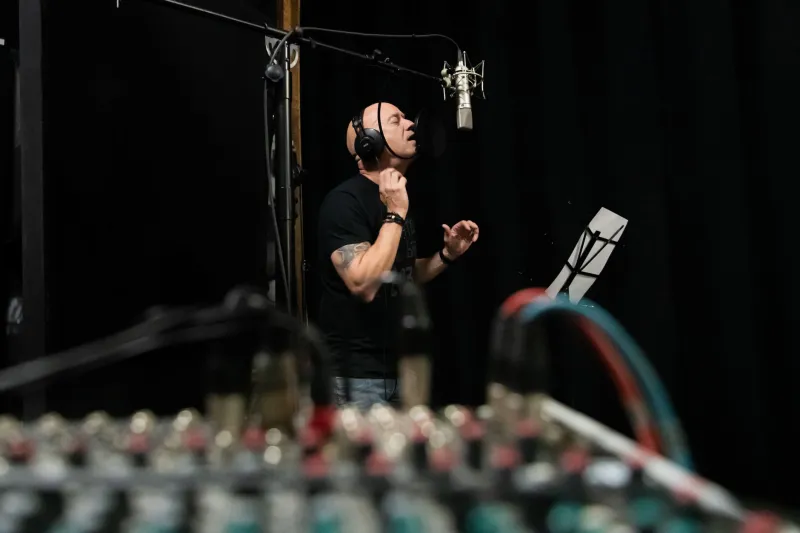
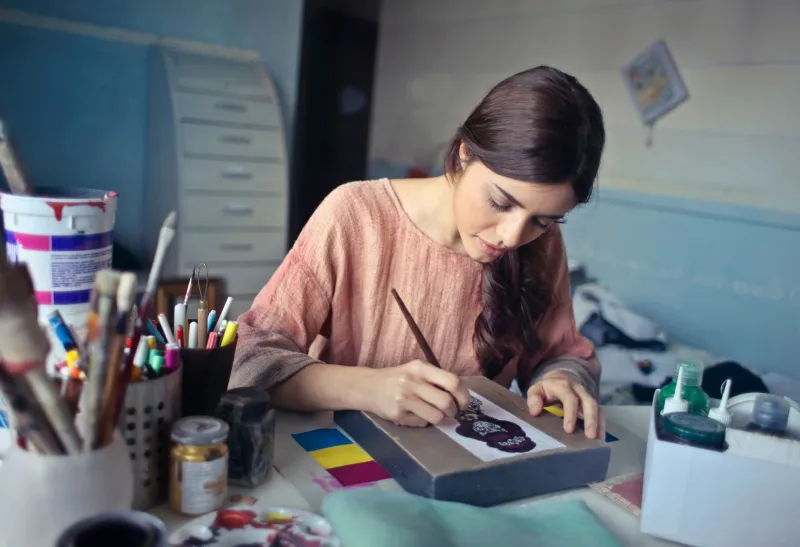
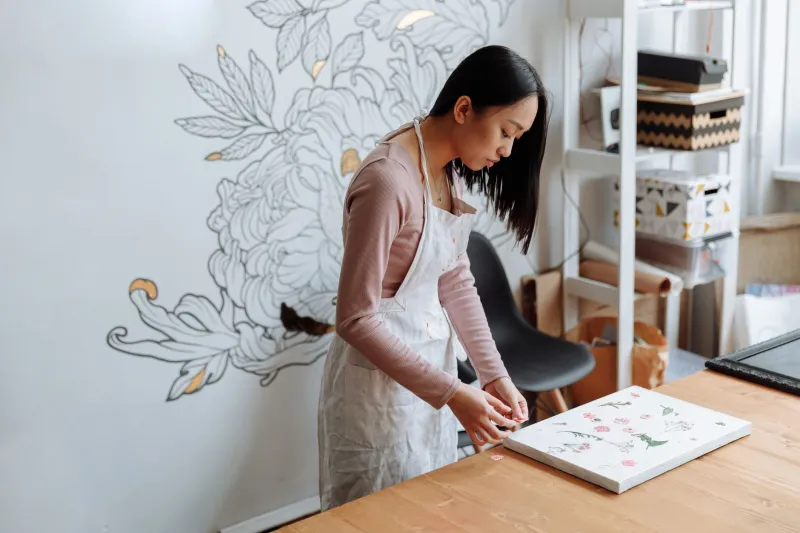
Across music, visual art, and independent creative spaces, a growing number of makers are doing something that feels almost radical in 2024: they're making themselves genuinely hard to reach. No auto-replies. No "I'll get back to you within 24 hours." No Instagram Stories showing what they had for lunch. Just silence, work, and the slow burn of something being built in private.
It sounds simple. But in a culture that has spent the last decade worshipping the grind, the pivot, and the perpetual content cycle, choosing to be truly unavailable is one of the boldest statements a creator can make right now.
The Hustle Hangover Is Real
For a long time, the creative economy ran on a specific kind of mythology: the artist who never sleeps, who answers every DM, who drops content on a Tuesday at 2 a.m. because the algorithm rewards consistency. Being accessible was proof that you cared. Being everywhere was proof that you were serious.
Then people started burning out. Loudly.
The conversation shifted somewhere around the early 2020s, when artists across genres started publicly acknowledging that the machine wasn't sustainable. But even the burnout discourse became content — essays about rest, podcasts about slow living, TikToks about "protecting your peace." The irony wasn't lost on anyone. You were still performing your unavailability for an audience.
What's different now is that some creators are skipping the announcement entirely. They're not telling you they're logging off. They're just... gone. And people are noticing.
Scarcity as Creative Statement
There's an economic principle that's bled into culture in a pretty fascinating way: scarcity creates value. It's why limited vinyl pressings sell out in minutes. It's why a pop-up show in a 200-person venue hits different than a stadium run. When something is hard to access, our relationship to it changes.
Creators are applying that same logic to themselves.
When a musician doesn't respond to every mention, doesn't flood your feed, and only surfaces when there's something genuinely worth saying — their presence starts to carry weight. You pay attention differently. You actually listen when they speak, because you know it doesn't happen constantly.
This isn't about being difficult or playing games with your audience. It's about understanding that attention is a finite resource, and flooding the market with yourself devalues the currency. The artists who are winning long-term right now aren't the ones who are loudest — they're the ones whose moments actually land.
What "Being Here Now" Actually Means
The phrase "be here now" has been floating around wellness culture for years, usually attached to a meditation app or a yoga retreat. But for creators, it's taking on a more specific meaning: full presence in the work, even when — especially when — that means being absent everywhere else.
Think about what it takes to make something genuinely good. Not just competent, not just consistent, but actually resonant. It requires a kind of deep attention that gets absolutely shredded by notifications, comment threads, and the low-grade anxiety of maintaining a public presence. The artists who are creating work that cuts through aren't multitasking their way to it. They're going somewhere quiet and staying there.
Being "here now" isn't passive. It's a daily decision to prioritize the thing you're making over the performance of making it. That's harder than it sounds in an environment that has conditioned us to treat every creative act as content.
The Social Cost (And Why It's Worth It)
Let's be real: there are tradeoffs. Going dark, even intentionally, carries risk in a landscape where algorithms punish inconsistency and audiences have short memories. Independent creators especially feel the pressure — you don't have a label's marketing budget backing you up. You are the marketing.
But here's what's interesting: the creators who've committed to this model often report something unexpected on the other side. Their audiences get smaller, but more devoted. The casual followers drop off. What's left are the people who actually care — the ones who will show up for the album release, buy the print, make the drive to the show. Quality over quantity isn't just a creative principle anymore. It's becoming a community-building strategy.
There's also something to be said for what unavailability signals to the industry. When you're not chasing every opportunity, not replying to every collab request, not performing eagerness — you start to read as someone with standards. As someone who has something worth protecting. That perception, over time, changes the kinds of conversations you get invited into.
The New Status Symbol Doesn't Make Noise
In creative culture, status symbols have shifted a lot over the years. It used to be follower counts, then it was brand deals, then it was the aesthetic of your visual identity. Now, increasingly, the most interesting signal is restraint.
The artist who doesn't over-explain their work. The musician who doesn't announce every project six months in advance. The maker who isn't performing productivity on their Stories. These people read as confident in a way that constant visibility never quite achieves. There's a stillness to them that's actually kind of magnetic.
It's not about being mysterious for mystery's sake. It's about having enough faith in what you're building that you don't need to narrate every step of the process. The work will be the announcement.
Finding Your Own Version of This
You don't have to disappear entirely to tap into this energy. For most independent creators, a full blackout isn't realistic or even desirable — connection with your audience is genuinely valuable, and there's nothing wrong with being present online.
But there's a spectrum between "always on" and "completely offline," and most of us have room to move toward the quieter end without losing anything that actually matters.
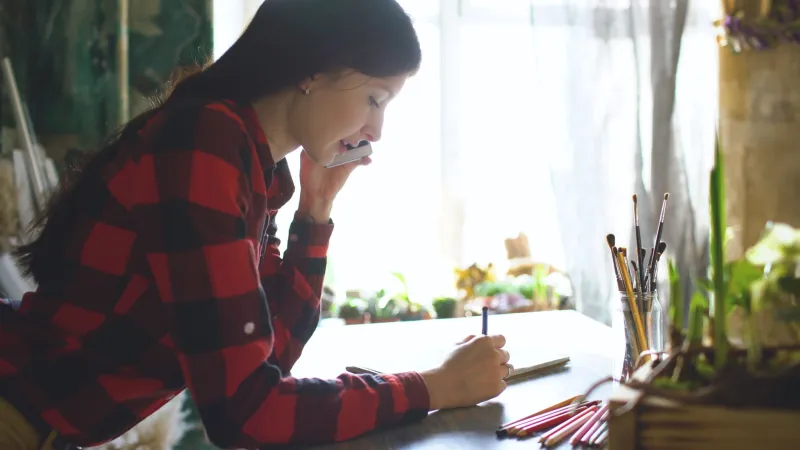
Maybe it's blocking off certain hours as genuinely unreachable — no phone, no email, no exceptions. Maybe it's deciding that some parts of your creative process will never become content, full stop. Maybe it's being slower to respond, more deliberate about what you share, more willing to let silence do some of the work.
The goal isn't absence. It's presence — real, full, undivided presence in whatever you're actually doing. Whether that's making something, resting, or just living your actual life without turning it into material.
Because here's the thing about being here now: you can't actually do it if you're always somewhere else at the same time.
The most powerful thing you can offer — to your work, to your community, to yourself — might just be your full attention. And that starts with being willing to withhold it from everything else.