Realness for Sale: When Vulnerability Became the New Aesthetic
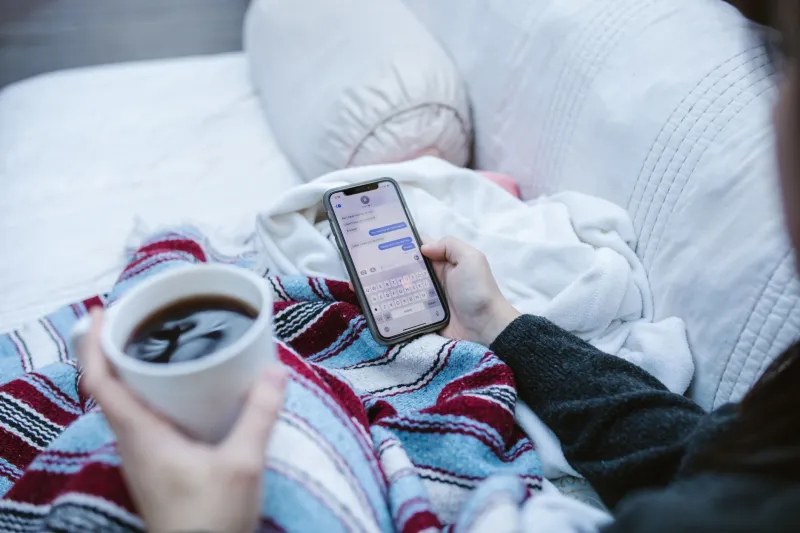
There's a certain kind of post you've seen a thousand times. The lighting is soft, a little imperfect on purpose. The caption starts with something like "I don't usually share this kind of thing, but..." The comments flood in with heart emojis and "thank you for being so brave." The creator gets 200,000 views.
And then they do it again next week.
We're living inside what might be the strangest cultural loop the internet has ever produced: a world where the most marketable thing a creator can be is unfiltered — and where that unfiltered quality is now being filtered, packaged, and scheduled like any other piece of content.
Welcome to the authenticity paradox. Population: everyone online.
How "Be Yourself" Became a Content Strategy
It didn't start as a scam. When early social media gave artists and creators a direct line to their audiences, something genuinely exciting happened. People got to see behind the curtain — the messy studios, the 3 a.m. doubt spirals, the real conversations that record labels and PR teams used to scrub clean. It felt radical. It felt human.
But the internet monetizes everything it touches, and humanity was no exception.
Algorithms started rewarding emotional disclosure. Brands started paying creators who felt "relatable." Vulnerability metrics — saves, shares, the comments that say "this is exactly what I needed today" — turned raw feeling into a trackable KPI. And just like that, the creative community got a new job requirement: perform your realness, consistently, on a content calendar.
For musicians especially, the pressure hit different. Suddenly it wasn't enough to make great music. You had to cry about making it. You had to show the rejection letters, the empty venues, the bank account screenshot with the low balance. Not because it helped the art — but because it helped the algorithm.
The Exhaustion Nobody's Talking About
Ask any working independent artist in the US right now what drains them most, and a surprising number won't say the grind of creating. They'll say the grind of explaining the creating. Of contextualizing every piece of work with a personal story that makes it emotionally accessible. Of turning their actual life into content fuel.
There's a specific kind of fatigue that comes from this. It's not burnout from making things — that's a different beast. This is the exhaustion of constantly excavating yourself for public consumption. Of deciding, every single day, how much of your interior world you owe your audience.
Some creators describe feeling like they're living two parallel lives: the actual one, and the narrated version they're building for followers. And the wild part? The narrated version has to feel more real than the actual one, or it doesn't perform.
That's not authenticity. That's method acting.
When Artists Push Back
A growing number of creators are starting to name this dynamic out loud — and then quietly opting out of it.
You see it in the musicians who drop projects with zero personal backstory attached. No "here's what I was going through when I wrote this" rollout. No manufactured intimacy. Just: here's the work, take it or leave it. Artists like this often get criticized for being "distant" or "hard to connect with," which is its own kind of revealing. We've gotten so used to emotional disclosure as a delivery mechanism that art without it feels cold — even when the art itself is doing all the communicating it needs to.
Other creators are getting more surgical about it. They'll share, but on their own terms and timeline, not because the content calendar says it's time for a "vulnerable moment." They're drawing a line between what's genuine and what's performed, even if that line is invisible to most of their audience.
And some are just going quiet. Not forever, but long enough to remember what it felt like to make something without immediately thinking about how to narrate it.
The Audience's Role in All of This
Here's the part that's easy to skip over: we, the audience, built this machine too.
Every time we engage more with the tearful post than the creative work itself, we're sending a signal. Every time we reward disclosure over craft, we're shaping the incentive structure that creators are trapped inside. The demand for authenticity isn't coming from some faceless algorithm alone — it's coming from real people who've been trained to consume emotional content and call it connection.
That's not a condemnation. It's just worth sitting with.
Because what we actually want — what most of us are really reaching for when we seek out "authentic" creators — isn't performance. It's presence. There's a difference between someone who shares because they're compelled to and someone who shares because they've calculated that it'll land. And somewhere in our gut, we can usually feel that difference, even when we can't name it.
What Real Actually Looks Like
The creators who seem to thread this needle best aren't the ones who share the most. They're the ones who've figured out what they actually want to say — and say only that.
They're not performing vulnerability. They're just not hiding the parts of themselves that show up naturally in the work. There's no confessional post engineered to go viral. There's just a person making things, and occasionally letting you see how that person actually moves through the world.
It's quieter. It doesn't always trend. But it builds something the performative stuff can't: trust that's not contingent on the next emotional reveal.
That's the version of "real" worth chasing. Not the one that comes with a content strategy attached.
Be Here, Not Just Visible
At its core, this whole conversation is about what it means to actually be here — present in your work, present with your audience, present in your own creative life — versus simply being visible. Those two things look identical from the outside. They feel completely different from the inside.
The artists who figure out that distinction early? They tend to last. Not because they cracked some code, but because they stopped letting the demand for performed realness hollow out the actual thing.
Your audience doesn't need your trauma on a schedule. They need your truth when it's ready to move. There's a version of showing up online that doesn't cost you yourself — and finding it might be the most creative problem worth solving right now.